
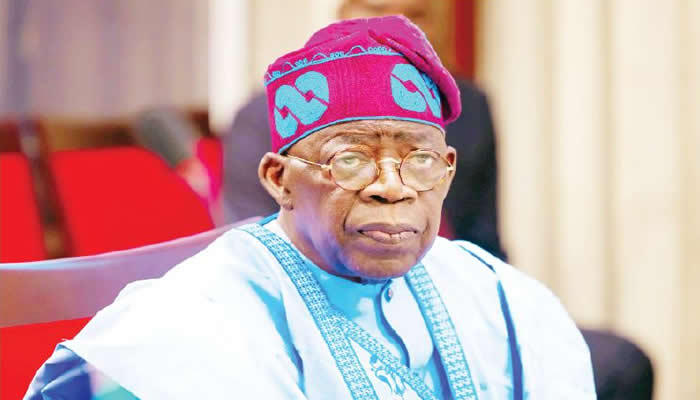

President Bola Ahmed Tinubu has signed an Executive Order designed to significantly cut the cost of oil and gas projects, improve government revenue, and attract new investment into the upstream petroleum sector.
Titled “Putting Every Barrel to Work: Nigeria’s New Presidential Directive on Cost Efficiency,” the Executive Order introduces sweeping fiscal and operational reforms aimed at making Nigeria’s oil and gas industry more competitive, accountable, and investor-friendly.
Key Provisions of the Executive Order:
• Tax Credit Cap: Companies can now claim no more than 20% of their annual tax liability as tax credits. This aims to safeguard government revenue while still incentivising efficient operations.
• Performance-Based Incentives: Operators who achieve verifiable cost savings will be eligible for tax reliefs, tied to defined industry benchmarks.
• Annual Benchmarking: The Nigerian Upstream Petroleum Regulatory Commission (NUPRC) will publish annual cost benchmarks for upstream operations—categorized by onshore, shallow water, and deep offshore terrains.
• Terrain-Specific Targets: Operators will receive annual unit cost reduction targets based on their location and production volume.
• Monitoring and Evaluation: Cost performance will be reviewed annually as part of each company’s tax return process.
The Order officially takes effect from April 30, 2025.
Why This Matters
Nigeria’s oil and gas sector is notorious for high operating costs, often exceeding global averages due to long project timelines and heavy local content obligations. This inefficiency has long deterred international investors and reduced fiscal returns for the government.
“This is not just cost-cutting for its own sake,” said Mrs. Olu Verheijen, Special Adviser to the President on Energy.
“It’s a strategic pivot to reposition Nigeria’s upstream sector as globally competitive and fiscally resilient.”
She noted that the Order builds on 2024 presidential reforms aimed at streamlining project timelines, improving fiscal terms, and aligning local content policies with global practices.
Presidential Intent
President Tinubu emphasised the broader national impact of the policy shift:
“Nigeria must attract investment not out of charity, but because investors see real and enduring value. This Order signals our commitment to an oil and gas sector that is efficient, accountable, and works for all Nigerians.”
The president also appointed his Special Adviser on Energy to lead inter-agency coordination to ensure smooth implementation and alignment across government institutions.
What Comes Next
Detailed implementation guidelines for the Executive Order are expected soon, clarifying:
• How benchmarks will be calculated
• How tax incentives will be verified
• Which projects qualify for cost-saving incentives
Industry stakeholders and investors are closely watching these developments, as they could reshape capital inflow decisions into Nigeria’s energy sector amid global oil price volatility.
Bottom Line
This reform marks a bold pivot in Nigeria’s approach to oil and gas governance. By linking tax incentives directly to performance and cost-efficiency, the Tinubu administration is aiming to unlock new investment, maximize returns from every barrel, and solidify Nigeria’s place as a key player in the global energy landscape.