
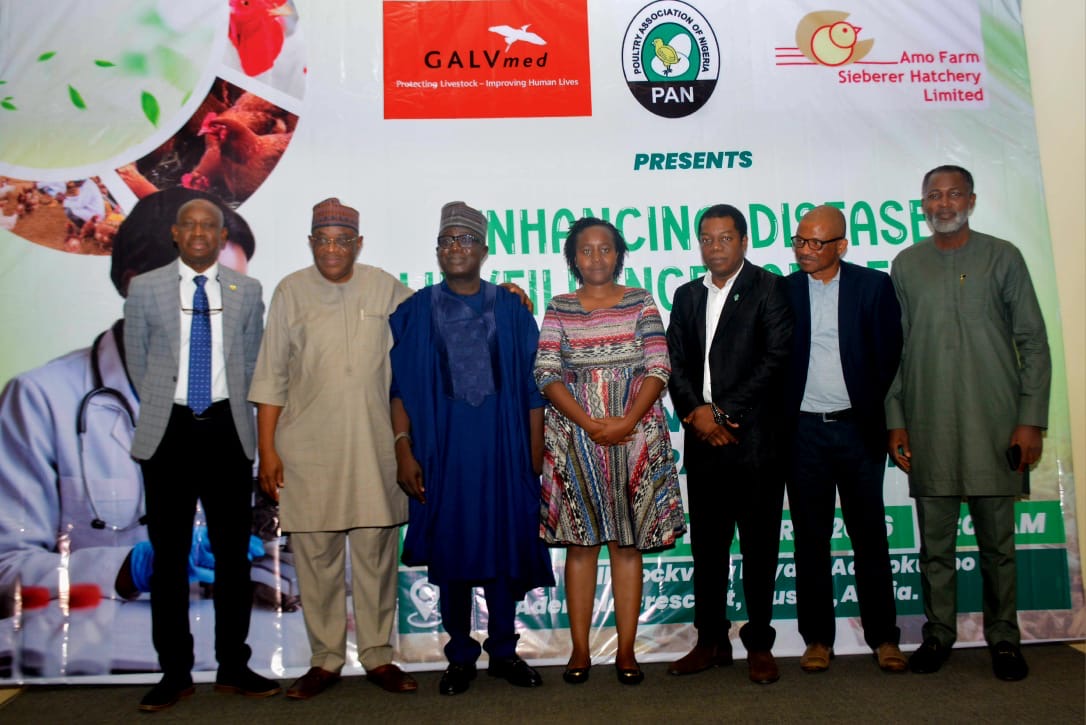

The Federal Government has reaffirmed its commitment to building a modern, integrated and responsive poultry disease surveillance system that will protect farmers, food system and the national economy.
The Chief Veterinary Officer of Nigeria, Dr Anzaku Samuel, stated this in Abuja at the opening of a one-day training for one hundred selected poultry farmers across the 36 states and the Federal Capital Territory, FCT on strengthening private sector poultry laboratories in Nigeria.
Anzaku emphasized that the present administration was embarking on aggressive sensitisation of farmers, having realised that disease remains the single greatest threat to the poultry sector.
He noted that the need for disease surveillance has become imperative to avert outbreaks that affect productivity, feed efficiency, egg output, trade confidence and consumer safety.
According to him, there is a need for more collaboration between the government and the private sector to improve diagnosis turnaround time, so that farmers can receive results quickly enough to make timely management decisions.
Anzaku urged the participants to standardise reporting pathways so that information can flow more effectively, enhancing communication between veterinarians, laboratory diagnosticians and producers, and ensuring that surveillance becomes proactive rather than reactive.
He commended the Global Alliance for Livestock Veterinary Medicine for organising the training, which he said would strengthen the animal health system in Nigeria.
The Country Manager of the Global Alliance for Livestock Veterinary Medicine, Dr Moses Arokoyo, said the essence of the training was to encourage a diagnostic and preventive approach as a major way to tackle diseases and enhance profitability among poultry farmers in the country.
According to him, there should be more collaboration, as data lies with poultry farmers and is needed by the government to have accurate information on the development of the sector.
He, however, appealed to the Federal Government to make import regulations easier and to strengthen the capacity of farmers in rural areas for enhanced productivity.
The Director-General of the Poultry Association of Nigeria, Onalo Akpa, who also identified high production costs as one of the challenges facing farmers, appealed to the government to engage professionals in the livestock and crop sectors to strike a balance between producers of raw materials and livestock farmers in order to check the rising cost of production.
Onalu pointed out that the importation of raw materials is contributing to high production costs, which he said is affecting the economy.
The training provided an opportunity for farmers across the country and other stakeholders in the livestock sector to discuss various challenges hindering poultry development.