
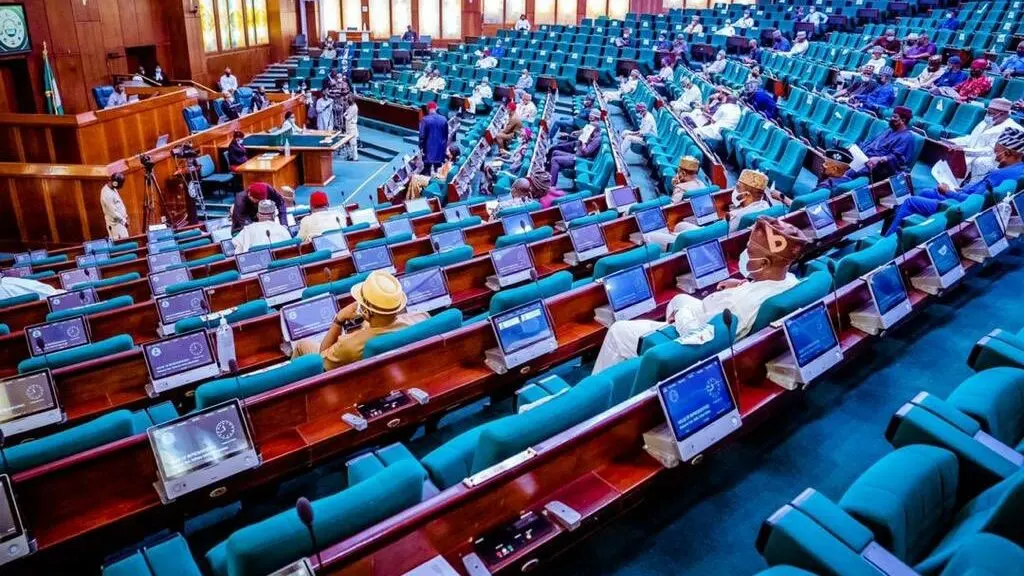

The House of Representatives Committee on Constitution Review is pushing for a significant constitutional amendment that would overhaul the process of appointing the Chairman of the Independent National Electoral Commission (INEC). The bill seeks to shift the responsibility of appointing the INEC chairman from the President to the National Judicial Council (NJC). The move is intended to reduce executive influence and enhance the transparency, independence, and credibility of Nigeria’s electoral body.
This proposal aligns with the 2007 recommendations of the Electoral Reform Committee led by the late Chief Justice Muhammadu Uwais. The Uwais panel had urged that the NJC be given the power to nominate INEC board members, while the commission’s funding should become a first-line charge on the Consolidated Revenue Fund.
These recommendations were rooted in the need to shield INEC from undue political control and ensure its autonomy in overseeing elections. By integrating the NJC, the lawmakers hope to prevent the ruling party or presidency from installing partisan allies in top electoral positions.
Former INEC Chairman, Prof. Attahiru Jega, welcomed the amendment effort, calling it a positive step toward depoliticizing the commission’s leadership.
He said the change could help correct the longstanding perception that the presidency manipulates INEC through appointments. “It is one of the many good recommendations on how to insulate the position of whoever is chairman of INEC from political and executive pressures,” Jega noted. He emphasized the need to address the widespread belief that “he who pays the piper dictates the tune.”
In a similar vein, YIAGA Africa’s Executive Director, Samson Itodo, lauded the proposal but expressed skepticism about the NJC’s ability to remain non-partisan. He noted that the Chief Justice of Nigeria (CJN) exercises considerable influence over the NJC, raising concerns about whether such a body can ensure true independence in appointments.
Itodo suggested an alternative model involving a multi-stakeholder selection committee that would conduct interviews and submit a shortlist to the National Assembly. He stressed that any reform must guarantee that all players in the appointment process are free from political bias to protect the integrity of Nigeria’s electoral system.